

Blogs
Learn more about SOLSTICE’s latest developments and innovations
Blogs, policy papers and other documents
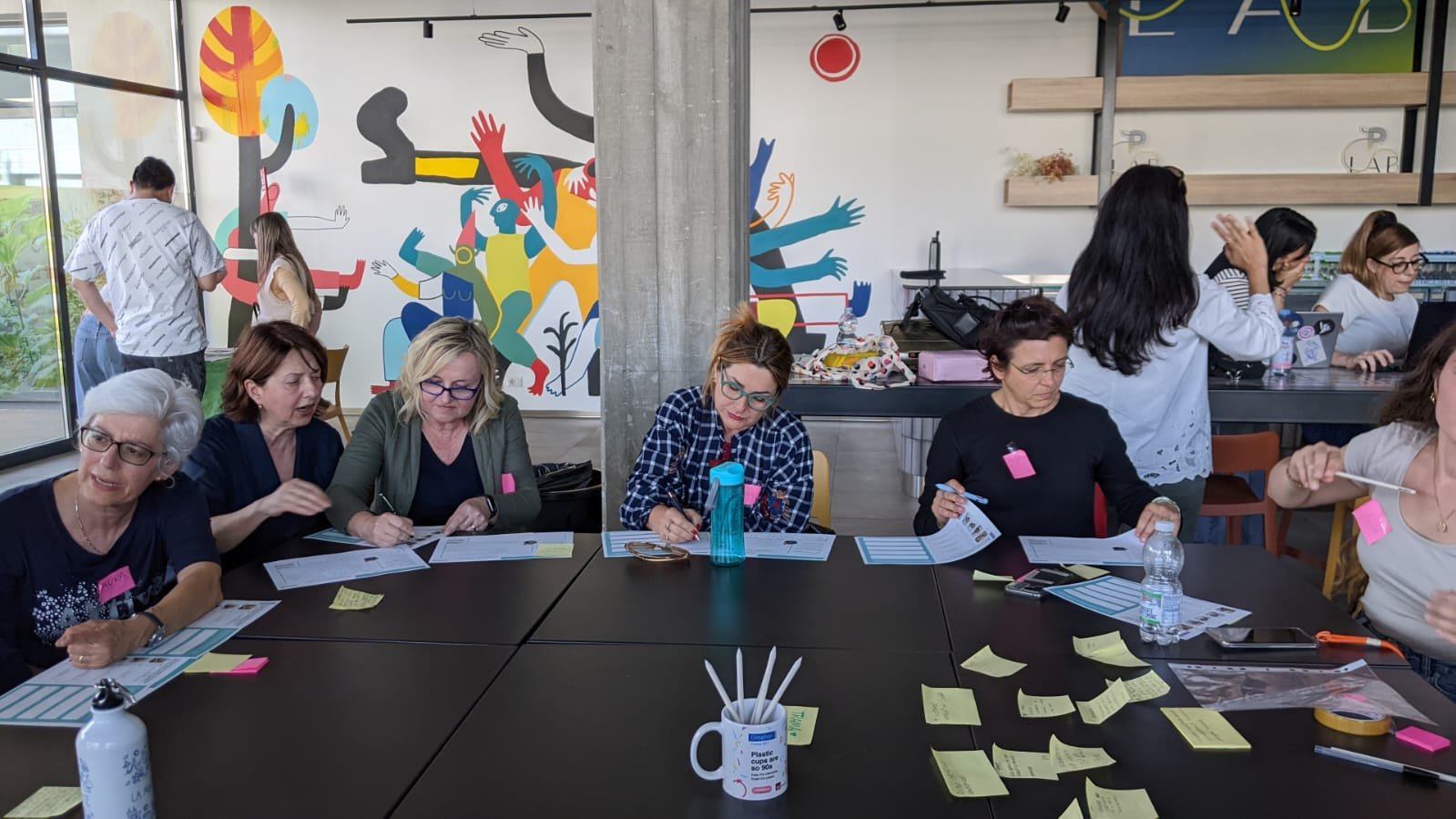
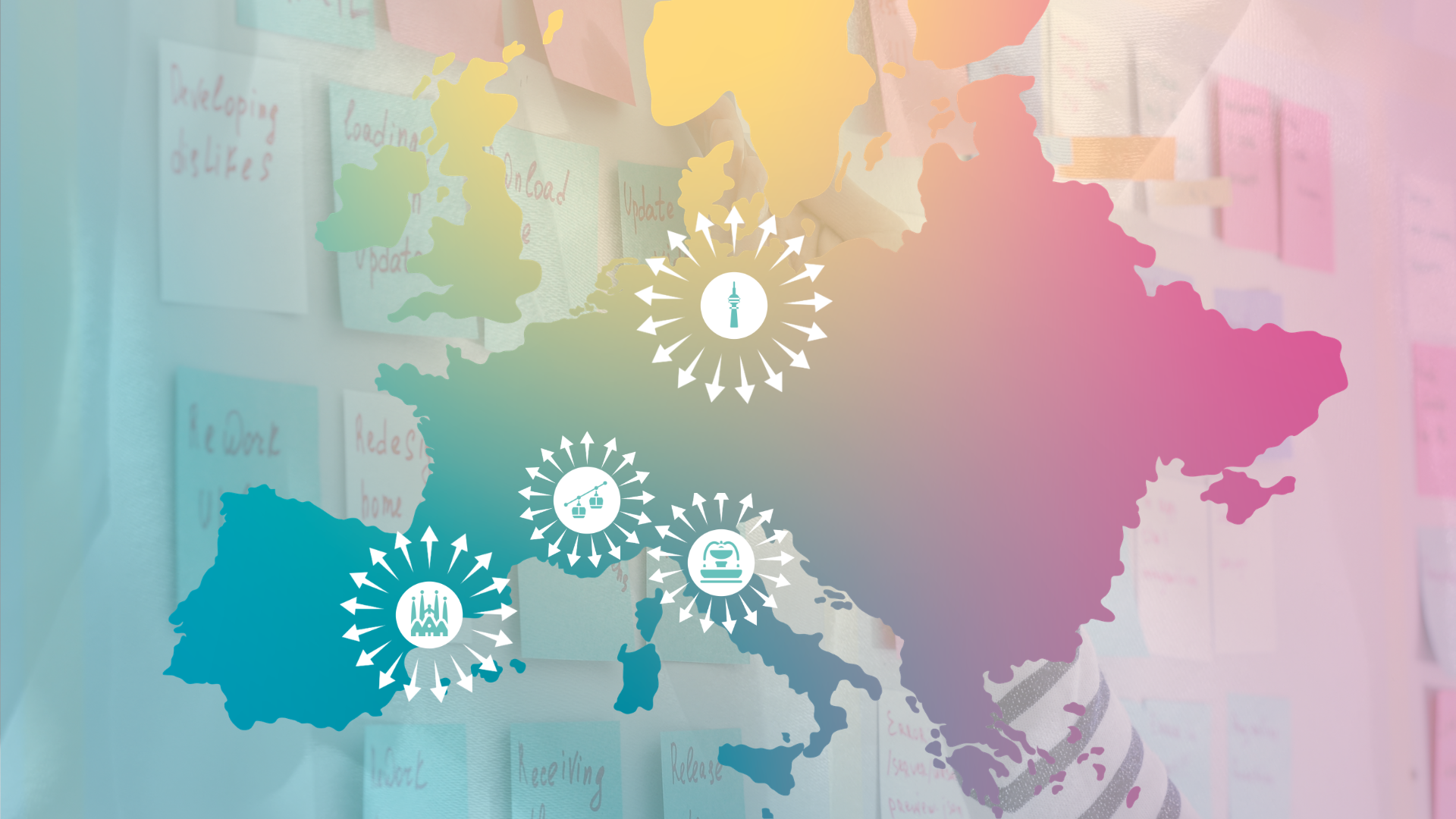


Circular practices only make a difference if citizens adopt them. Through four demonstration pilots in Berlin, Prato, Grenoble and Catalonia, SOLSTICE is testing different ways of promoting the 5Rs: Refuse/Reduce, Reuse, Repair, Repurpose and Recycle. But each pilot works in its own context, with its own objectives and target groups, which makes it hard to compare results or tell which approaches could be scaled up.
As regions and industries across Europe actively seek operational answers on sorting, recycling, governance and decision-support, the SOLSTICE partners TECHTERA and POLYMERIS maps the ground and identifies where SOLSTICE outcomes can generate the most meaningful impact.
The approach deliberately combines two dimensions, territorial mapping and cross-sectoral replication, because the two are inseparable.
SOLSTICE partners Leitat Technological Center and Next Technology Tecnotessile conducted a research on elastane and polyurethane, exploring new recycling and upcycling solutions for two of the most challenging materials in textile waste. Their work focuses on improving the recovery of fibres and valuable components from EL-blended and PU-coated textiles, helping to advance more circular and scalable approaches within the textile industry.
SOLSTICE partners (Circle Economy, in collaboration with Circular Berlin, Grenoble-Alpes Métropole, the Comune di Prato, and Generalitat de Catalunya) conducted a current‐state analysis of the textile ecosystem in the territories of Berlin, Grenoble, Prato, and Catalonia, including prevailing circular practices.
The analysis offers a comprehensive overview across multiple dimensions, encompassing spatial planning, employment, material flows, and local infrastructure, to map the enabling conditions for circular textiles in each region.
The thought process behind the SOLSTICE project began with the recognition that existing systems in many regions across Europe do not sufficiently support circular practices. SOLSTICE partner Circle Economy, leads the current state analysis. Their work will increase our understanding of the circular textiles’ ecosystem in these territories, providing critical insights into the areas that require immediate action.