Measuring Circularity: How SOLSTICE Evaluates its Four Pilots
Circular practices only make a difference if citizens adopt them. Through four demonstration pilots in Berlin (Germany), Prato (Italy), Grenoble (France) and Catalonia (Spain), SOLSTICE is testing different ways of promoting the 5Rs: Refuse/Reduce, Reuse, Repair, Repurpose and Recycle. But each pilot works in its own context, with its own objectives and target groups, which makes it hard to compare results or tell which approaches could be scaled up.
To address this, SOLSTICE partner TEXFOR developed a harmonised monitoring and evaluation framework that gives the four pilots a shared way to track progress and build evidence for future circular textile initiatives and policies.
How does the monitoring framework work?
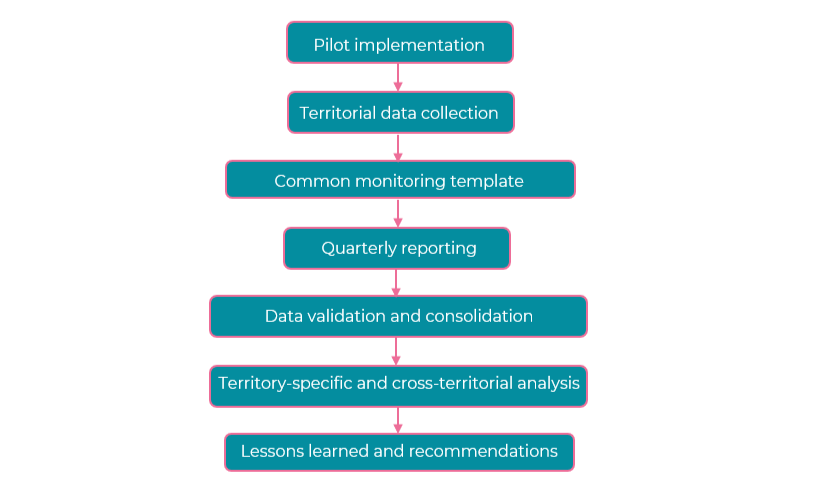
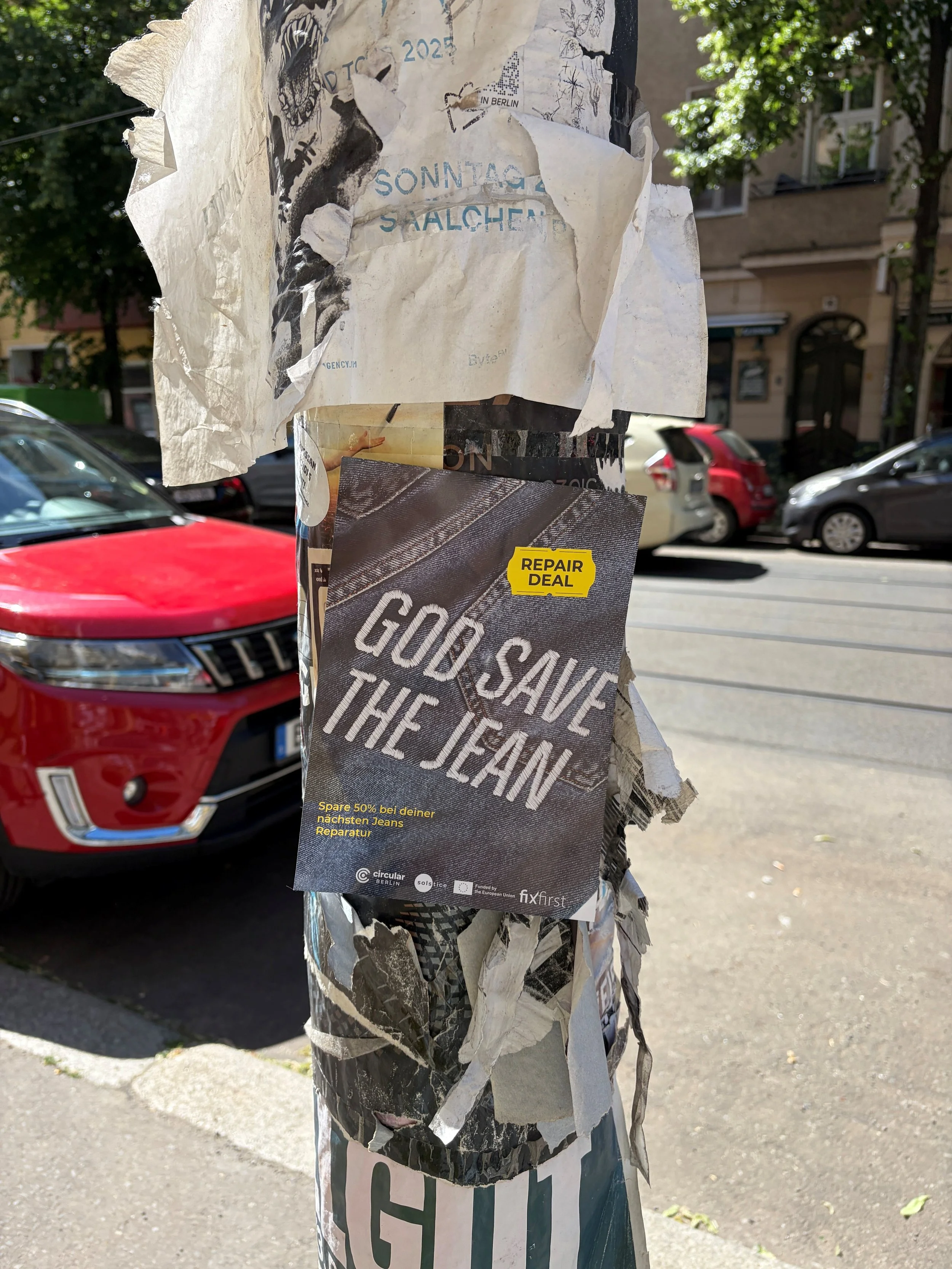
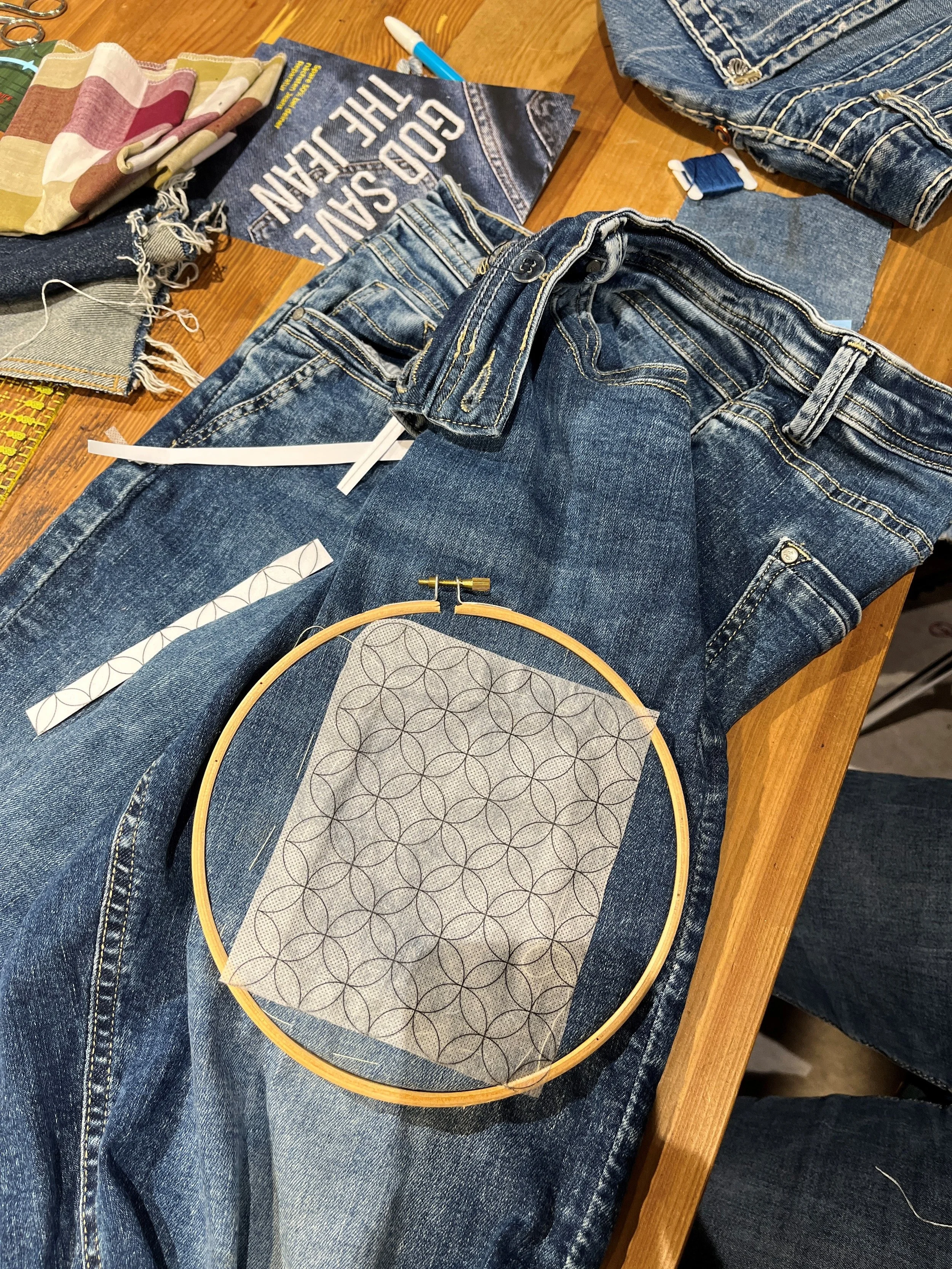
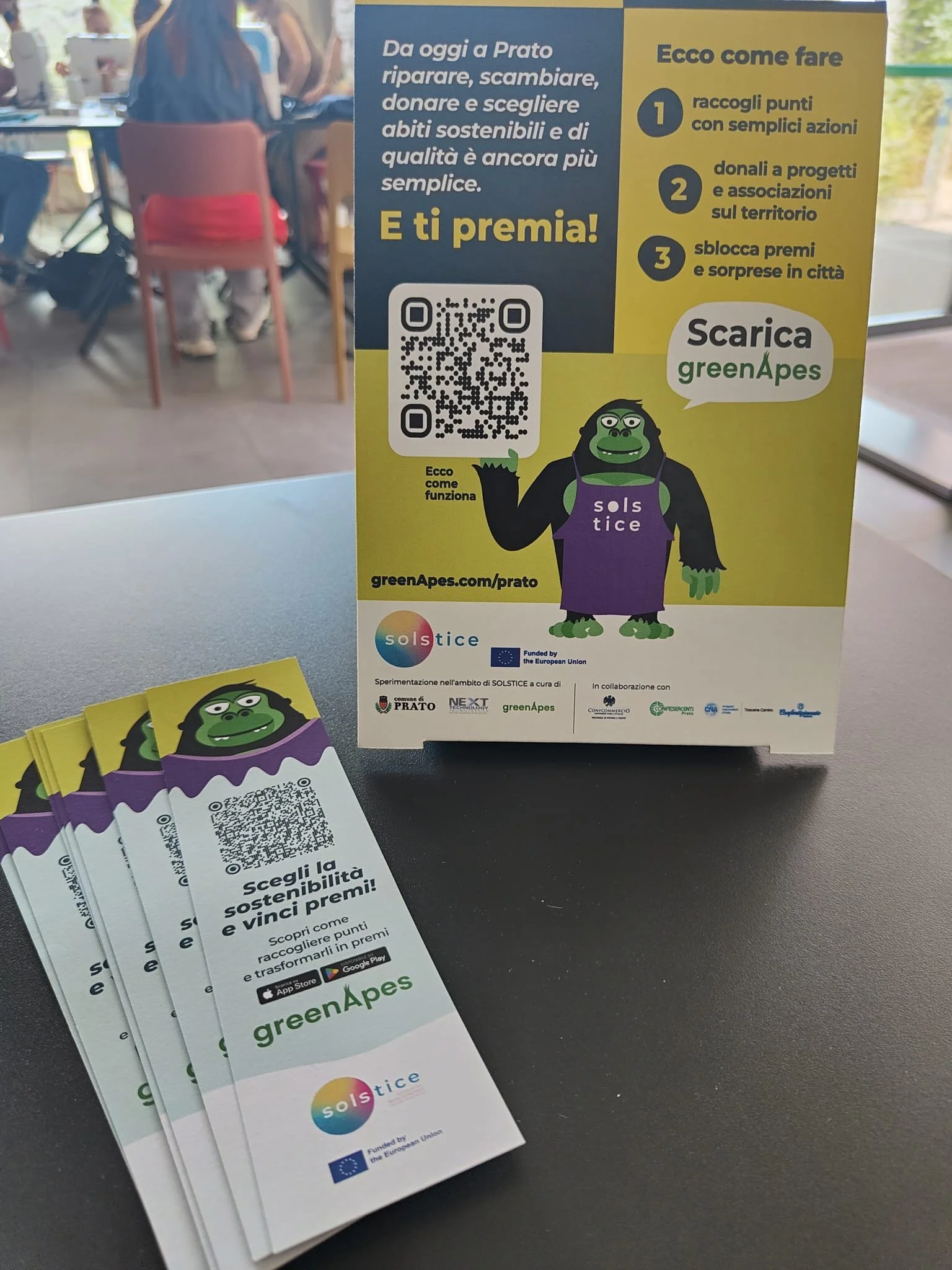
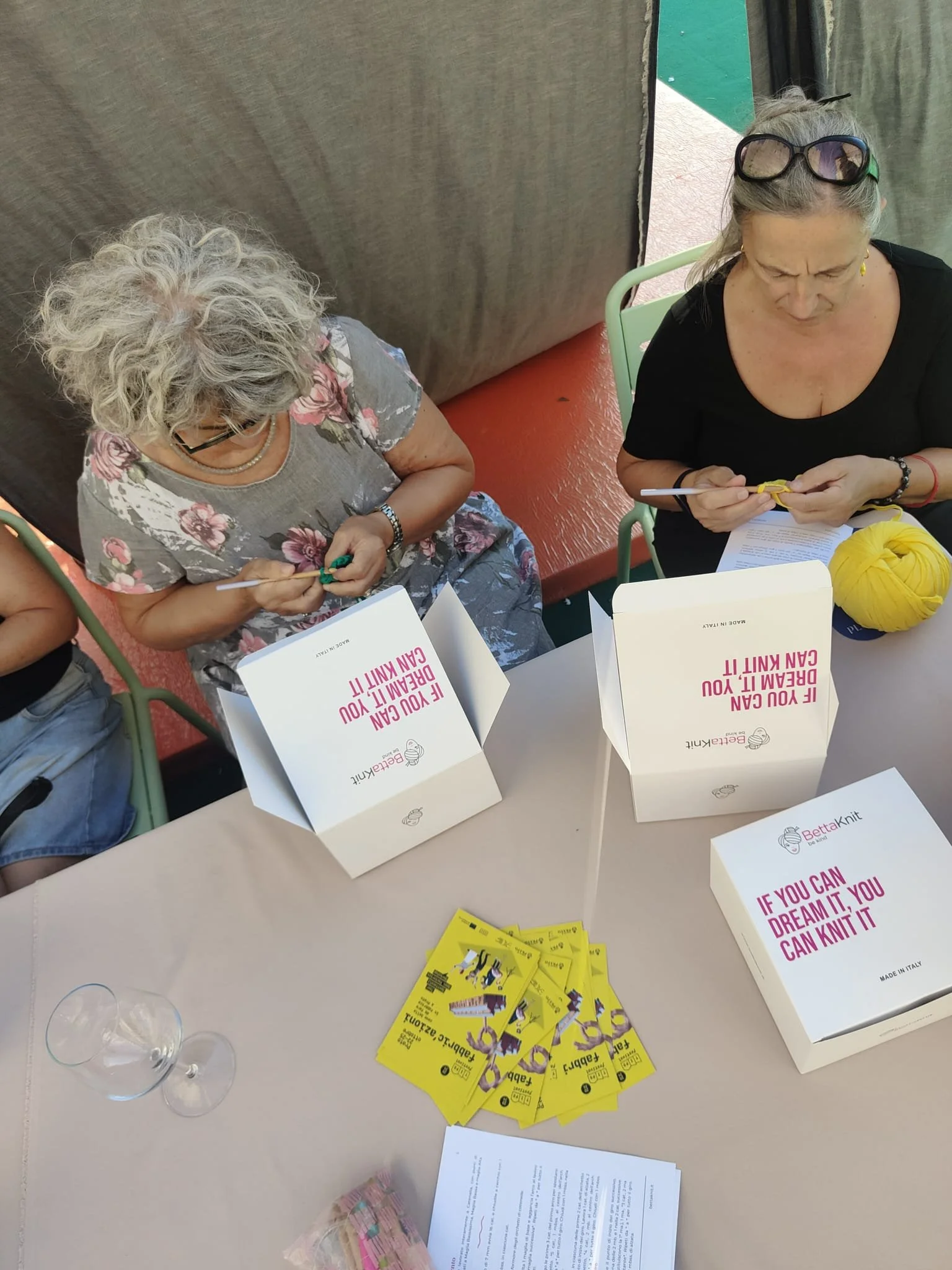
The pilots could hardly be more different. Berlin encourages repair through financial incentives, Prato combines digital engagement, gamification and community activities, Grenoble explores a community-based circular textile third place, and Catalonia promotes waste prevention, reuse and repair through local collaboration.
Building on the assessment work, TEXFOR designed a framework to balance comparability with flexibility. It combines operational indicators, environmental and socio-economic estimates, and consumer behaviour data, to understand not only what the pilots achieve but also how they operate. The framework is built around three complementary instruments:
Monitoring Tool: a common reporting template tracks implementation progress, citizen participation, stakeholder engagement, communication activities and circular outcomes, making it easier to analyse KPIs and spot challenges early.
Environmental and Socio-economic Impact Calculator: gives a first estimate of the environmental benefits of pilot activities, which will be analysed further by our partner Leitat Technological Center.
Consumer Behaviour Survey: adds evidence of behavioural change once enough responses have been collected over time.
First results from Berlin and Prato
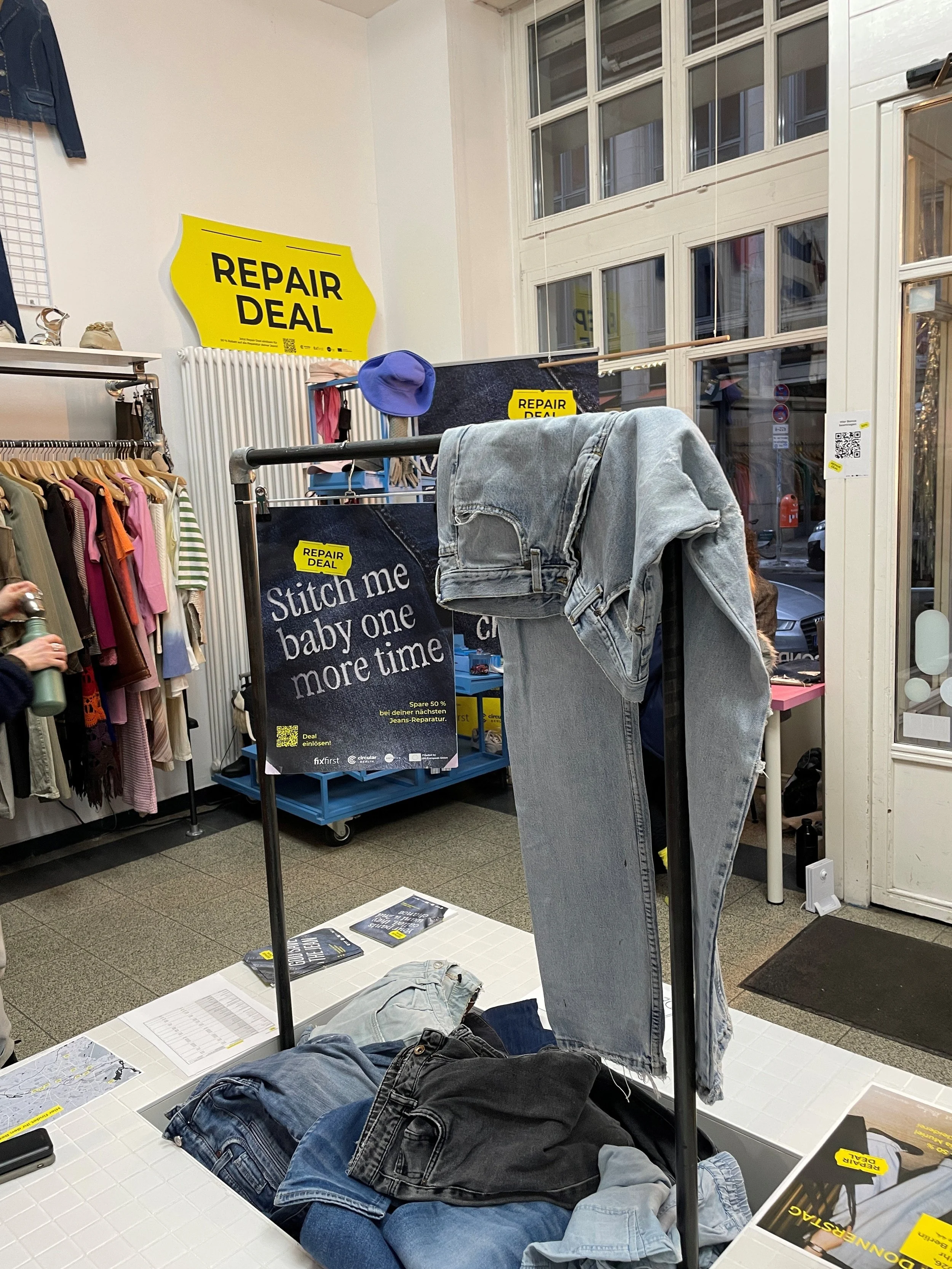
In Berlin, growing interest in the Repair Bonus shows in the numbers: repair applications rose from 121 in the first reporting period to 446 in the third, and completed repairs from 69 to 186, with high levels of user satisfaction.
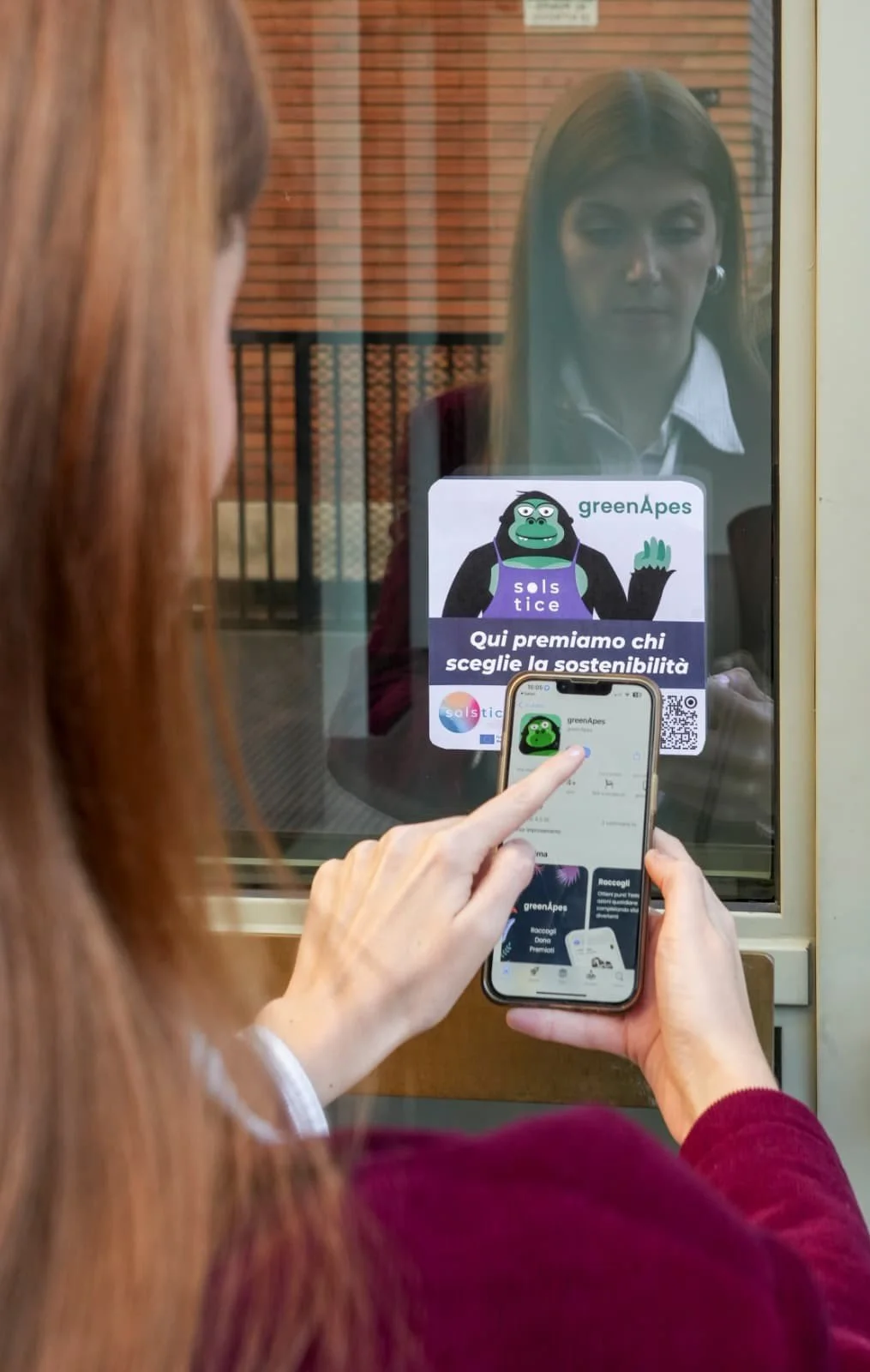
In Prato, where digital engagement plays a central role, downloads of the GreenApes app rose from 190 to 395, and in the third period alone citizens completed 1363 positive environmental actions through the app.
Quantities of repaired textiles and estimated avoided emissions are also increasing. These findings remain preliminary and are not yet a final assessment or a comparison between pilots.
What the four pilots are teaching us
The first results already point to a few lessons:
There is no single approach to circularity, as financial incentives, digital tools and community initiatives can all work depending on local needs.
Engagement and service quality are essential, since accessible, reliable services and attractive ways to take part are what drive uptake.
Benefits grow with participation, with more activity meaning more textile waste prevented and more emissions avoided.
Continuous monitoring supports improvement, helping pilots adapt and building a stronger evidence base.
The framework does not impose one model on every territory: it shows which approaches work, under what conditions and with what results.
Next steps
The next phase will consolidate the evidence from all four pilots, with monitoring continuing in Berlin and Prato, data from Grenoble and Catalonia being added, and the consumer survey analysed as more responses come in. The framework was also designed for replication, so other European cities and regions, textile businesses, social economy organisations and repair and reuse operators could adapt it to monitor their own circular initiatives.
The ambition is to turn local pilot experiences into practical knowledge that helps accelerate the adoption of the 5Rs across Europe